Custom Orthotics vs. Store-Bought Insoles: What Your Feet Actually Need

Heidi Collins • March 17, 2026

Understanding the difference between custom orthotics and over-the-counter inserts, and how the right support can improve comfort, mobility, and long-term foot health

Introduction

If you have ever dealt with foot pain, tired legs, or discomfort when walking or standing, you may have considered shoe inserts. Walk into any pharmacy or big-box store and you will see shelves full of insoles promising comfort and support.


But, not all inserts are created the same. There is a big difference between generic over-the-counter insoles and custom functional orthotics prescribed by a medical professional. Understanding that difference can help you choose the right option for your feet and your overall health.


What Is a Custom Functional Orthotic?

A custom functional orthotic is something that goes inside your shoes to support, align, and improve the function of your feet. Because your feet affect how your entire body moves, proper support can help reduce strain not only in the feet, but also in the ankles, knees, hips, and lower back.

Orthotics are commonly recommended for conditions such as:

  • Plantar fasciitis
  • Flat feet or high arches
  • Heel pain
  • Arthritis
  • Diabetic foot conditions
  • Tendon issues
  • Overuse injuries from sports or work


The goal is not just comfort. Orthotics are designed to correct biomechanical issues and improve how you walk or stand.


Generic Insoles (Over-the-Counter Inserts)

Generic inserts are the ones you can buy at drugstores, sporting goods stores, or online. They are mass-produced and designed to fit the “average” foot.


Benefits of Generic Inserts

  • Affordable and easy to find
  • Provide basic cushioning
  • Can improve comfort in some shoes
  • Helpful for mild fatigue or occasional soreness


For people who simply want extra padding, these inserts may provide short-term relief.

Limitations of Generic Inserts


The main limitation is that they are not designed for your specific foot structure.

Every person’s foot shape, arch height, walking pattern, and pressure points are different. Because generic inserts are not customized, they:

  • Do not correct structural problems
  • May not provide proper arch support
  • Can wear out quickly
  • Often fail to address ongoing pain

In many cases, they treat the symptom (discomfort) rather than the underlying cause.


Custom Functional Orthotics

Custom functional orthotics are medical devices created specifically for your feet after an evaluation by an orthotics professional.

During the process, a clinician may evaluate:

  • Your foot shape and arch structure
  • How you walk or stand
  • Pressure points on your feet
  • Existing medical conditions
  • Shoe type and daily activity level

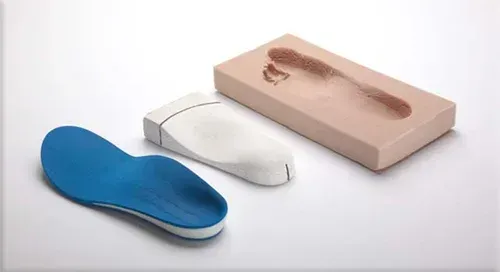
A mold or digital scan of your foot is typically taken so the orthotic can be designed precisely for your anatomy.


Benefits of Custom Functional Orthotics

Custom orthotics offer several advantages over generic inserts:


Personalized support
Because they are built from a mold or scan of your feet, they match your exact shape and support your natural alignment.


Better pain relief
By correcting abnormal foot mechanics, custom orthotics help reduce stress on joints and tissues that cause pain.


Improved mobility and function
Proper support can make walking, standing, and exercising more comfortable and efficient.


Durability
Custom orthotics are typically made from higher-quality materials and last significantly longer than store-bought inserts.


Medical management
They are often part of treatment plans for conditions such as plantar fasciitis, diabetic foot complications, and tendon disorders.


Closing Thoughts


Your feet support you through every step of your day, whether you are working, exercising, or simply going about your routine. When your feet are properly supported, it can improve not only comfort, but also how your entire body feels and functions.

While over-the-counter inserts may offer temporary relief, custom functional orthotics are designed to address the root of the problem and provide long-term support tailored specifically to you.


If you are experiencing ongoing foot pain or discomfort, our team at Palmetto Orthotics & Prosthetics is here to help!  Give our office a call to schedule an evaluation, and we will walk you through the best options to keep you moving comfortably and confidently!

By Heidi Collins March 6, 2026
For many people living with physical differences or long-term health conditions, the word “disabled” can feel complicated. Some spend decades avoiding the label, often because they have learned to adapt, work hard, and remain independent. Yet for some, life circumstances eventually make it clear that additional support is necessary—and that accepting help does not diminish independence or personal worth. Many individuals with limb differences, for example, grow up learning to do as much as possible on their own. A child with a partial arm may master everyday tasks—tying shoes, riding a bike, cooking, driving, or participating in sports—by adapting techniques and building strength in other parts of the body. Over time, these adaptations can become second nature, allowing people to lead full, active lives. However, years of compensating can also place extra strain on the body. Overuse injuries such as tendonitis, joint pain, arthritis, or spinal issues are common when one side of the body carries more physical workload than the other. When additional health challenges arise—such as injuries, chronic illness, or autoimmune conditions—the ability to compensate can reach its limits. Reaching a Turning Point For some individuals, a combination of injuries and chronic health problems becomes a turning point. Situations such as tendon damage, shoulder injuries, or prolonged periods of limited mobility can make everyday tasks far more difficult. Using mobility aids like crutches or walkers may present additional challenges for people with upper-limb differences. At that point, the need for assistance becomes less about preference and more about long-term health and safety. Recognizing this reality often leads people to consider disability benefits for the first time. Understanding Federal Disability Programs In the United States, there are two primary federal programs designed to provide financial assistance to people with disabilities: Social Security Disability Insurance (SSDI) – This program is based on an individual’s work history. People who have worked for a certain number of years and paid Social Security taxes may qualify if a disability prevents them from working full-time. Supplemental Security Income (SSI) – This program is based on financial need rather than employment history. It provides assistance for basic living expenses such as food, clothing, and housing for people who are disabled or over age 65. Each program has specific eligibility requirements, and determining which one applies can be the first step in the process. The Reality of the Application Process Applying for disability benefits can be complex and time-consuming. Applicants must provide extensive documentation, including: Detailed medical records Diagnostic tests and imaging results Medication history Employment history Records of treatments, therapies, or assistive devices In many cases, applicants may submit dozens of pages of medical documentation to demonstrate that their condition has been thoroughly evaluated and treated. They may also need to show that therapies, rehabilitation, or assistive technologies have been attempted but were not sufficient to restore the ability to work full-time. Gathering this information can take many hours, and after submitting the application, applicants may still receive follow-up questionnaires requesting additional details about their daily physical limitations. Waiting for a Decision After applying, many individuals must wait several months for a determination. During that time, applicants must also follow strict income limits if they wish to remain eligible for benefits. Exceeding these limits—even through part-time work—can disqualify an application. This situation is often referred to as the “benefits cliff,” where earning slightly too much income may cause someone to lose eligibility for needed support. Changing the Conversation Around Disability For many people, the most difficult part of the process is not the paperwork—it is acknowledging the need for help. Society often equates independence with doing everything alone, but in reality, accepting support can be an important step toward preserving long-term health and maintaining independence. Disability benefits can help reduce physical strain by allowing individuals to work fewer hours, avoid tasks that worsen pain, and rely on assistive tools when needed. The goal is not to limit people’s capabilities but to provide stability and support when health conditions make full independence unrealistic. A Matter of Health and Sustainability For individuals living with lifelong physical differences or chronic conditions, protecting the body for the long term is essential. Recognizing limitations and seeking assistance when necessary can help prevent further injury and preserve quality of life. Disability does not define a person’s value, abilities, or contributions. Rather, it reflects the reality that some individuals face physical challenges that require additional support. Accepting that support—whether through adaptive tools, community assistance, or government programs—can make it possible to continue living a healthy, productive, and meaningful life. 
By Heidi Collins February 27, 2026
Long Days, Strong Legs, No Limits
By Heidi Collins February 13, 2026
Veteran-Focused Prosthetic Care You Can Trust
Show More