Beating the Charleston Heat: A Guide to Summer Comfort for Amputees
Practical tips for protecting your skin, your fit, and your comfort through the Lowcountry's hottest months
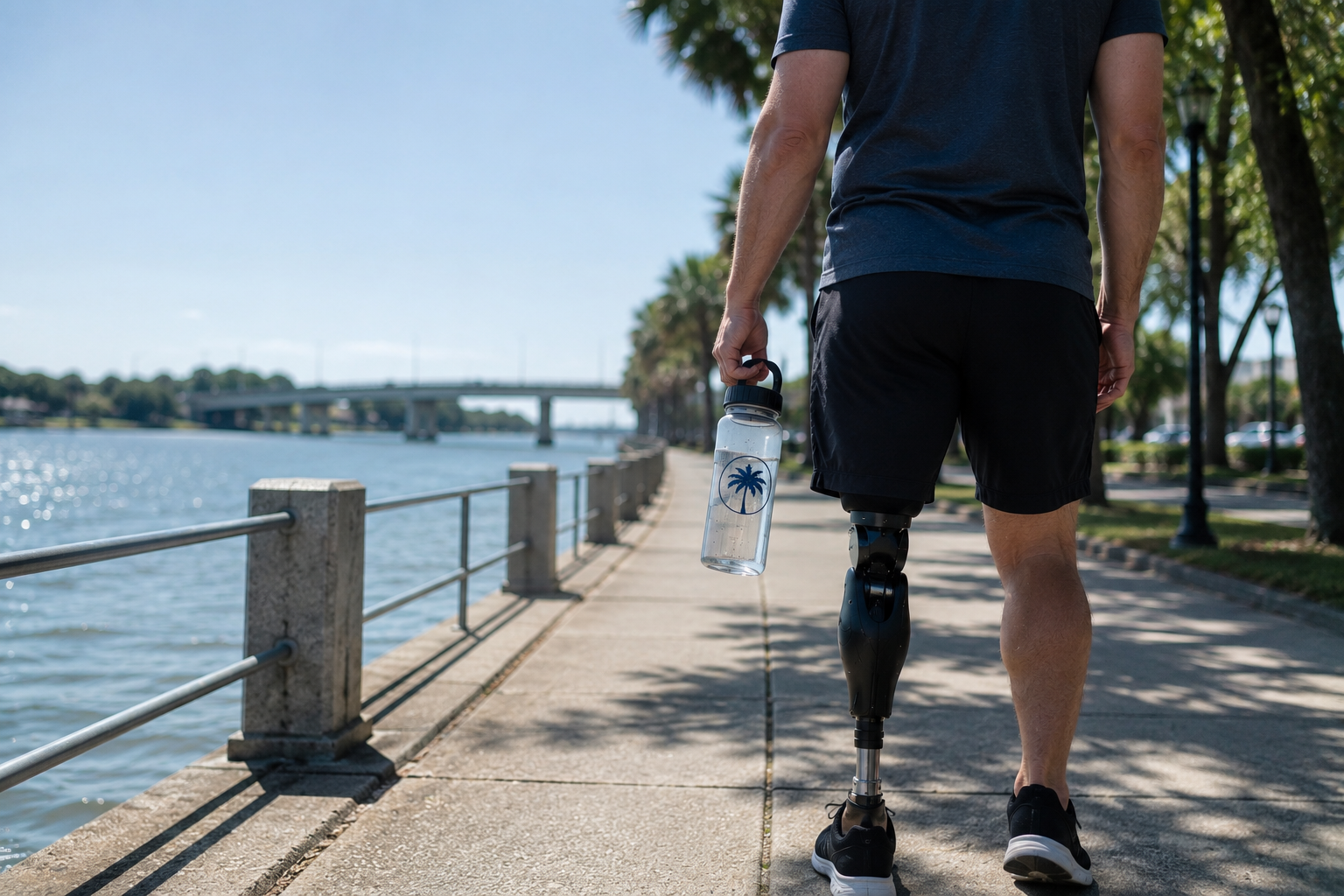
If you're an amputee living in the Lowcountry, you already know that Charleston summers bring more than just sunshine — they bring thick, relentless humidity that can turn a normal day into a real challenge for your residual limb and your prosthesis. Between the heat index, salt air, and long humid stretches from May through September, Charleston-area amputees face unique hurdles that people in drier climates simply don't deal with.
At Palmetto Orthotics and Prosthetics, we work with amputees across the Charleston, Mount Pleasant, Summerville, and North Charleston area every summer, and we've put together our best guidance for staying comfortable, protecting your skin, and keeping your prosthetic device performing well when the temperature — and humidity — climb.
Why Heat and Humidity Are Especially Tough for Amputees
Your residual limb doesn't sweat and cool the way the rest of your skin does when it's enclosed in a prosthetic socket and liner. In Charleston's high-humidity climate, moisture has nowhere to evaporate, which can lead to:
- Increased sweating inside the socket, causing slipping, suction loss, or discomfort
- Skin breakdown, rashes, or fungal infections from trapped moisture
- Volume fluctuations in the residual limb due to heat and swelling, changing how your socket fits throughout the day
- Heat rash or chafing where the liner meets the skin
Recognizing these risks early is the first step toward preventing bigger problems later in the summer.
1. Prioritize Residual Limb Skin Care
Humid heat is hard on skin. Make a daily habit of:
- Washing your residual limb with a gentle, pH-balanced soap every night and thoroughly drying it before bed
- Checking your skin daily for redness, blisters, hot spots, or breakdown — a mirror helps you see all angles
- Applying a lightweight, non-greasy moisturizer at night (avoid heavy creams right before donning your liner)
- Bringing a small towel to gently blot sweat throughout the day if you're active outdoors
2. Manage Moisture Inside Your Liner and Socket
Sweat buildup is one of the biggest complaints we hear from amputees during Charleston summers. A few things that help:
- Moisture-wicking liner interfaces or sheaths designed for hot, humid climates
- Antiperspirant designed for residual limbs (not standard underarm antiperspirant) applied at night, not right before donning
- Having a backup liner so you can swap to a dry one midday if needed
- Cleaning your liner daily — sweat and bacteria buildup accelerates in heat and can shorten the life of your liner
3. Expect (and Plan for) Volume Changes
Heat causes your body — including your residual limb — to swell more than usual, especially if you're spending time outside at the beach, on the golf course, or working in the yard. This can make your socket feel tight in the afternoon even if it fit well that morning.
- Keep an extra prosthetic sock or two in different plies with you to adjust for volume changes throughout the day
- Stay ahead of swelling with proper hydration (see below)
- If you notice your fit changing significantly week to week, it may be time for a socket adjustment — don't wait until it's uncomfortable
4. Hydrate Like It's a Full-Time Job
Charleston's heat index regularly climbs well above the actual temperature in summer. Dehydration doesn't just make you feel sluggish — it directly affects residual limb volume and prosthetic fit. Aim to:
- Drink water consistently throughout the day, not just when you're thirsty
- Replenish electrolytes if you're outdoors for extended periods, especially during Charleston's peak humidity months
- Limit alcohol and excess caffeine on high heat-index days, as both can worsen dehydration
5. Time Outdoor Activities Wisely
Between the sun and the humidity, midday in Charleston (typically 11 a.m. to 4 p.m.) is the toughest stretch of the day for anyone, but especially for amputees managing a prosthetic socket. When possible:
- Plan outdoor errands, walks, or exercise for early morning or evening
- Take breaks in air-conditioned or shaded areas to let your skin and socket "reset"
- Consider a lighter, more breathable prosthetic option for beach days or water activities — ask us about water-resistant or activity-specific prosthetic solutions
6. Know the Warning Signs
Contact your prosthetist or physician if you notice:
- Persistent redness, rash, or skin breakdown that doesn't improve overnight
- A socket that no longer fits properly, even after sock adjustments
- Signs of infection (warmth, swelling, odor, or drainage)
- Excessive discomfort or pain that changes your gait or activity level
Waiting too long to address these issues can turn a minor irritation into a bigger setback — especially in the summer months, when moisture and heat make skin issues progress faster.
We're Here for Charleston-Area Amputees, All Summer Long
Every amputee's experience with heat and humidity is different, and your prosthetic solution should be tailored to how you live — whether that's boating on the Ashley River, working outdoors, or just getting through a hot Lowcountry afternoon comfortably. If you're dealing with fit changes, skin irritation, or you're due for a summer check-up on your prosthesis, our Charleston-based team is ready to help.
Ready to get ahead of the summer heat? Schedule an appointment with the Palmetto Orthotics and Prosthetics team today, or contact us to ask about liners, socks, and skin care products built for hot, humid climates.
Palmetto Orthotics and Prosthetics proudly serves amputees throughout Charleston, Mount Pleasant, Summerville, James Island, and the greater Lowcountry with personalized prosthetic care all year round.