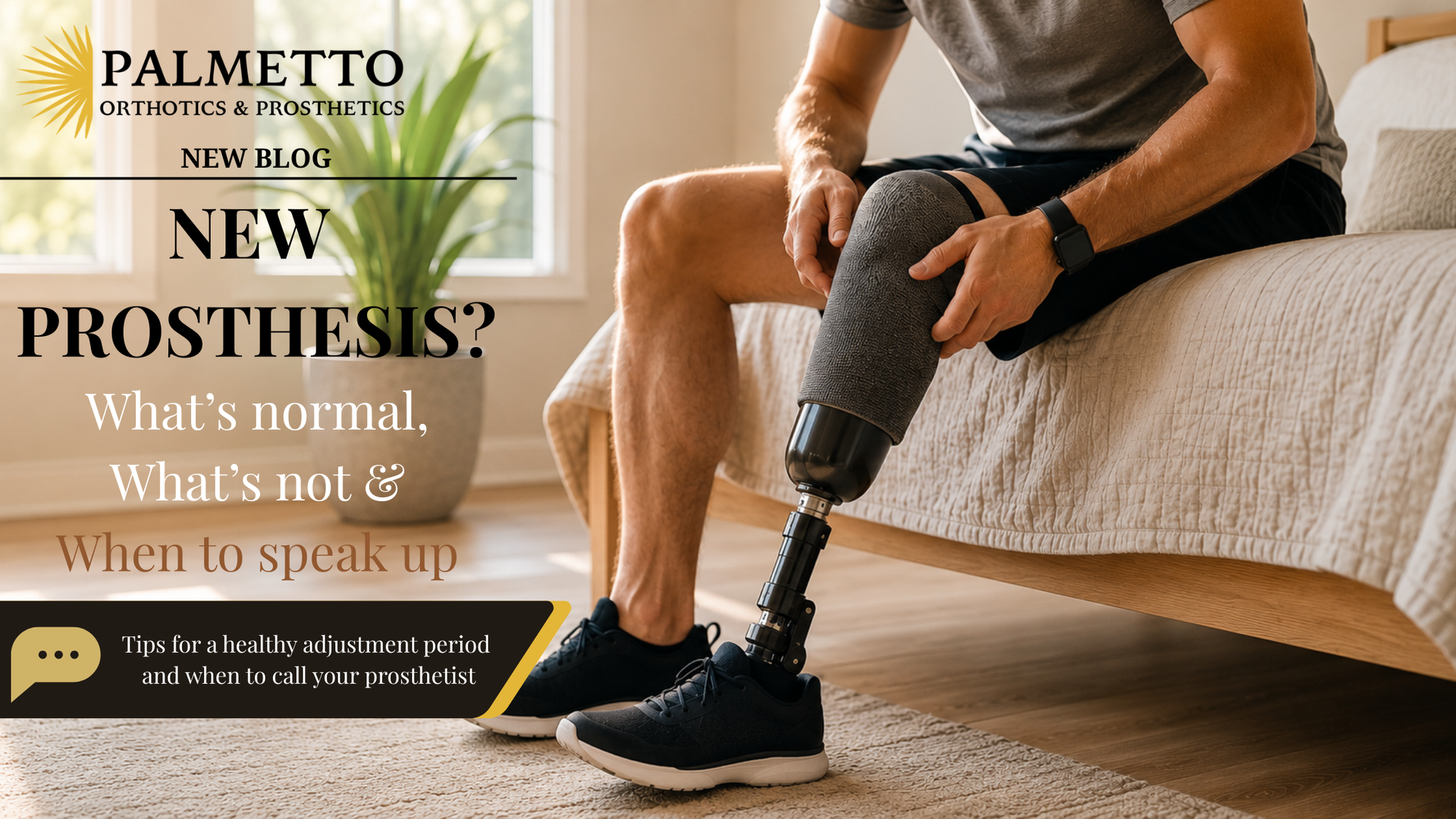
Innovations in Prosthetic Technology for 2024
Advancements in prosthetic technology have come a long way in improving lives. For those with limb loss and the medical professionals supporting them, innovative developments in prosthetics are offering better functionality, comfort, and integration than ever before. From mind-controlled limbs to groundbreaking materials, 2024 is shaping up to be a pivotal year for this rapidly evolving field. We are here for it at Palmetto Orthotics and Prosthetics.
Advances in Cosmetic Prosthetics
Gone are the days when function took precedence over form. Modern cosmetic prosthetics are not just lifelike; they are also designed for maximum comfort. Enhancements in silicone and other skin-like materials mean prosthetics can now be customized to mirror skin tone and body structure. For wearers, these personalized touches boost confidence and psychological well-being.
Better Replacement Coverage
Medicare’s revised prosthetic replacement coverage offers more flexibility, emphasizing the importance of medical necessity while removing restrictions on the original prosthesis’ delivery timeline. Staying informed and providing thorough documentation will empower you to better support your patients’ mobility and independence. We can also consult with patients and referring medical professionals on how best to get Medicare coverage for your patient’s replacement prosthetic as needed.
Mind-Controlled Prosthetics
Imagine controlling a prosthetic limb just by thinking about it—this is no longer science fiction. Mind-controlled prosthetics leverage Brain-Computer Interface (BCI) technology to read and respond to neural signals. They adapt using advanced machine learning algorithms, offering a level of precision and dexterity previously unimaginable. Research teams like those at Neuralink continue to refine this technology, making it more intuitive and accessible for amputees worldwide.
Advanced Sensors for Real-Time Feedback
Modern prosthetics are being equipped with next-gen sensor technology that captures data like position, pressure, temperature, and even touch. This real-time feedback enables prosthetics to respond seamlessly to environmental stimuli. For instance, users can adjust grip strength when holding an object or balance better during motion. Tools like these are helping to restore a sense of normalcy and independence for wearers.
3D Printing for Customization
The game-changing role of 3D printing in prosthetics allows for highly customized designs at lower production costs. With rapid prototyping, amputees can receive bespoke prosthetic limbs that closely match their anatomical needs and personal aesthetic preferences. Advancements in material science also mean that these prosthetics are not only more lightweight but mimic the flexibility and durability of natural tissue more closely than ever before.
Artificial Intelligence for Smarter Prosthetics
Artificial Intelligence (AI) is revolutionizing prosthetics by enabling them to learn and adapt to a user’s needs in real time. AI algorithms analyze patterns of movement and make adjustments instantaneously, offering a smoother and more intuitive user experience. By optimizing performance and providing simplified learning curves, AI-powered prosthetics are helping amputees regain confidence and independence faster.
Bioelectronic Interfaces
Bioelectronic interfaces are bridging the gap between prosthetics and the human nervous system. These interfaces enable direct communication between prosthetics and the body’s nerves, allowing users to experience sensory feedback and improved proprioception. This breakthrough enhances mobility, control, and interaction, making the prosthetic feel more like an extension of the body rather than a tool.
Lower Limb Prosthetics
Lower limb amputees are benefiting from specialized prosthetic solutions, such as those offered by our team at Palmetto Orthotics and Prosthetics. We will keep our eye on the new technologies and continue to partner with prosthetic companies worldwide for our patients. From partial foot and below-the-knee trans-tibial prosthetics to hip disarticulations, advancements in design and materials are improving mobility, comfort, and stability. These solutions offer amputees options tailored to individual needs, ensuring each prosthetic is as functional as it is life-enhancing.
For amputees, the benefits of these technological strides extend beyond improved mobility. Our team has generations of skill and experience in prosthetic development and care. Our ability to customize prosthetics to suit personal needs, from functionality to appearance, has empowered our patients to see prosthetics as an extension of themselves—both physically and emotionally.
For medical professionals, these advancements enable better care and tailored solutions for their patients. Whether it’s prescribing bioelectronic interfaces or using data-driven insights from AI for customized fittings, the tools at their disposal continue to raise the standard of prosthetic care.
Looking Ahead: What’s Next?
The future of prosthetic technology is as exciting as it is promising. With continuous innovation, we’re edging closer to a world where prosthetics seamlessly integrate with the human body. This next wave of advancements will likely focus on making these devices more accessible, both in terms of cost and availability. Remember that Medicare now covers more than one prosthetic, or revisions as needed.
If you or someone you know can benefit from these advancements, schedule an appointment with us at our Palmetto Orthotics and Prosthetics Summerville location.