Proud to Care for Our Veterans Who need Prosthetic Care: Honoring Those Who Served

Heidi Collins • February 13, 2026

Veteran-Focused Prosthetic Care You Can Trust

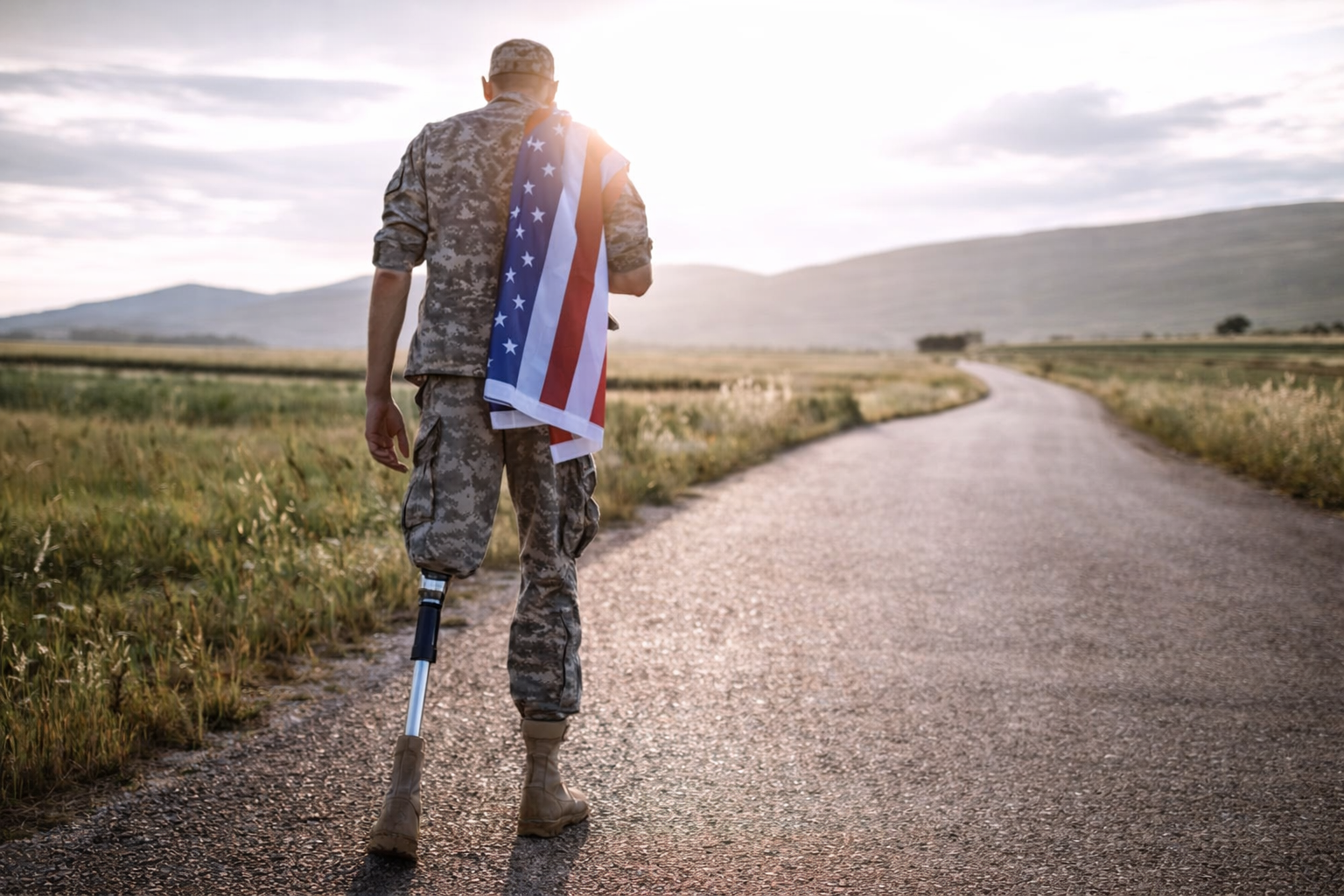
veteran with prosthetic

At Palmetto Orthotic & Prosthetic Center, providing prosthetic care to veterans is more than a service—it is a true honor.

We are privileged to work with men and women who have served our country with strength, sacrifice, and resilience. As a family-owned, woman-owned, and veteran-owned practice, service is deeply rooted in who we are. Our founder, David Perkins, is a Navy veteran who served four tours in Vietnam, and his legacy continues to guide our mission every day.

When veterans come to us, they are met with respect, understanding, and clinical excellence. We recognize that every journey is unique, and we are committed to providing personalized prosthetic care that supports long-term mobility and independence.

Advanced Care with a Personal Approach

We proudly offer advanced prosthetic solutions, including our True Fit Prosthetic Socket, designed to maximize comfort, stability, and function. Our comprehensive approach includes detailed evaluations, custom socket design, precise fitting, and ongoing follow-up—because prosthetic care is an ongoing partnership, not a one-time visit.

Restoring Mobility, Confidence, and Independence

Prosthetic care is about more than mobility—it’s about restoring confidence and quality of life. Seeing veterans return to daily activities, work, family life, and hobbies is one of the most rewarding parts of what we do.

To the veterans we serve: thank you for your service and your trust. It is our privilege to stand beside you and support every step forward.

By Heidi Collins March 17, 2026
Understanding the difference between custom orthotics and over-the-counter inserts, and how the right support can improve comfort, mobility, and long-term foot health
By Heidi Collins March 6, 2026
For many people living with physical differences or long-term health conditions, the word “disabled” can feel complicated. Some spend decades avoiding the label, often because they have learned to adapt, work hard, and remain independent. Yet for some, life circumstances eventually make it clear that additional support is necessary—and that accepting help does not diminish independence or personal worth. Many individuals with limb differences, for example, grow up learning to do as much as possible on their own. A child with a partial arm may master everyday tasks—tying shoes, riding a bike, cooking, driving, or participating in sports—by adapting techniques and building strength in other parts of the body. Over time, these adaptations can become second nature, allowing people to lead full, active lives. However, years of compensating can also place extra strain on the body. Overuse injuries such as tendonitis, joint pain, arthritis, or spinal issues are common when one side of the body carries more physical workload than the other. When additional health challenges arise—such as injuries, chronic illness, or autoimmune conditions—the ability to compensate can reach its limits. Reaching a Turning Point For some individuals, a combination of injuries and chronic health problems becomes a turning point. Situations such as tendon damage, shoulder injuries, or prolonged periods of limited mobility can make everyday tasks far more difficult. Using mobility aids like crutches or walkers may present additional challenges for people with upper-limb differences. At that point, the need for assistance becomes less about preference and more about long-term health and safety. Recognizing this reality often leads people to consider disability benefits for the first time. Understanding Federal Disability Programs In the United States, there are two primary federal programs designed to provide financial assistance to people with disabilities: Social Security Disability Insurance (SSDI) – This program is based on an individual’s work history. People who have worked for a certain number of years and paid Social Security taxes may qualify if a disability prevents them from working full-time. Supplemental Security Income (SSI) – This program is based on financial need rather than employment history. It provides assistance for basic living expenses such as food, clothing, and housing for people who are disabled or over age 65. Each program has specific eligibility requirements, and determining which one applies can be the first step in the process. The Reality of the Application Process Applying for disability benefits can be complex and time-consuming. Applicants must provide extensive documentation, including: Detailed medical records Diagnostic tests and imaging results Medication history Employment history Records of treatments, therapies, or assistive devices In many cases, applicants may submit dozens of pages of medical documentation to demonstrate that their condition has been thoroughly evaluated and treated. They may also need to show that therapies, rehabilitation, or assistive technologies have been attempted but were not sufficient to restore the ability to work full-time. Gathering this information can take many hours, and after submitting the application, applicants may still receive follow-up questionnaires requesting additional details about their daily physical limitations. Waiting for a Decision After applying, many individuals must wait several months for a determination. During that time, applicants must also follow strict income limits if they wish to remain eligible for benefits. Exceeding these limits—even through part-time work—can disqualify an application. This situation is often referred to as the “benefits cliff,” where earning slightly too much income may cause someone to lose eligibility for needed support. Changing the Conversation Around Disability For many people, the most difficult part of the process is not the paperwork—it is acknowledging the need for help. Society often equates independence with doing everything alone, but in reality, accepting support can be an important step toward preserving long-term health and maintaining independence. Disability benefits can help reduce physical strain by allowing individuals to work fewer hours, avoid tasks that worsen pain, and rely on assistive tools when needed. The goal is not to limit people’s capabilities but to provide stability and support when health conditions make full independence unrealistic. A Matter of Health and Sustainability For individuals living with lifelong physical differences or chronic conditions, protecting the body for the long term is essential. Recognizing limitations and seeking assistance when necessary can help prevent further injury and preserve quality of life. Disability does not define a person’s value, abilities, or contributions. Rather, it reflects the reality that some individuals face physical challenges that require additional support. Accepting that support—whether through adaptive tools, community assistance, or government programs—can make it possible to continue living a healthy, productive, and meaningful life. 
By Heidi Collins February 27, 2026
Long Days, Strong Legs, No Limits
Show More